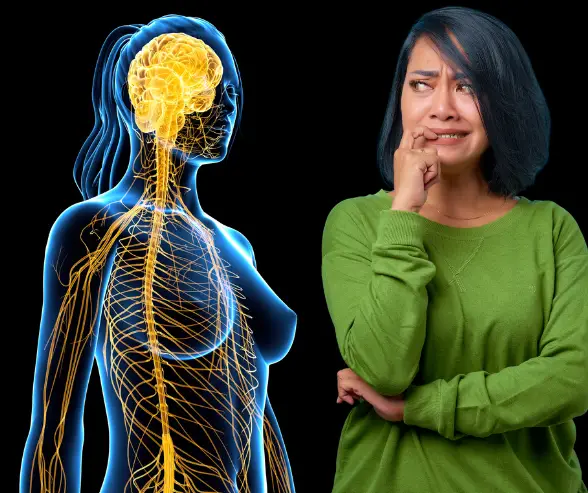
When people think about trauma, they often imagine extreme or catastrophic events. In clinical language, these are called big-T traumas—situations like violence, severe neglect, accidents, or acute danger that overwhelm the nervous system.
But most of what shapes the adult nervous system is not big-T trauma. It is the accumulation of little-t experiences: the subtle, repeated moments where emotional needs went unseen, were misinterpreted, or were met inconsistently. These moments are not “traumatic” in the clinical sense, yet they still shape how we relate, regulate, and understand ourselves.
Alongside little-t experiences, there are also non-trauma conditioning patterns—the natural imprints of growing up in a family with its own stresses, rules, emotional culture, and limitations.
Together, these everyday experiences create the emotional blueprint that adults carry into relationships, work, and self-concept. Understanding these patterns does not require identifying as a trauma survivor. It simply requires curiosity about how your nervous system learned to navigate the world.
The Instinct to Go Home… And How Imperfect Homes Shape Us
Humans are biologically wired to seek connection and protection from caregivers. But every family system, even loving ones, has moments of stress, distraction, emotional misattunement, or inconsistency. These do not necessarily create trauma, yet they still shape the nervous system’s expectations about safety, support, and connection.
As a result, adults may experience:
difficulty trusting their emotions
discomfort asking for help
overresponsibility or overindependence
anxiety about conflict
sensitivity to rejection
a tendency toward people-pleasing or performance
These patterns do not emerge because something “went wrong.” They emerge because the nervous system adapted wisely to the environment it grew up in.
The Iceberg of Adult Patterns: What We See vs. What Drives It
When adults feel overwhelmed, anxious, numb, perfectionistic, or disconnected, they often focus on the visible symptoms. Like the tip of an iceberg, these are the parts easiest to identify.
What lies beneath, however, is shaped by countless early moments—many of them subtle or unremarkable at the time.
Beneath the surface: accumulated emotional residue
Small, everyday emotional injuries that were never acknowledged can accumulate. Not dramatic enough to be “trauma,” but significant enough to create:
chronic self-doubt
fear of disappointing others
shame around needs
unease with vulnerability
These residues form emotional reflexes that show up in adulthood.
At the base: early interpretations of what needs mean
A child learns to make sense of their needs through the responses around them. Over time, they may internalize beliefs like:
“Needing something might upset someone.”
“I should manage things alone.”
“I need to be easy or pleasant.”
“My emotions are too much.”
These beliefs do not require big-T trauma to form. They emerge from repeated experiences where a child’s inner world did not quite find the resonance it needed.
The First Layer of Development: Subtle Gaps in Physical Co-Regulation
Infants rely on caregivers for rhythmic touch, soothing, comfort, and help navigating overwhelming sensations. No caregiver can meet these needs perfectly—and that’s normal. Yet the nervous system still forms conclusions from whatever patterns were most frequent.
Everyday influences include:
parents being rushed or overstimulated
irregular routines due to work or life stress
emotional availability fluctuating
cultural norms around touch or expression
differing temperaments between parent and child
These ordinary mismatches create adaptive patterns such as:
learning to self-regulate early (turning inward under stress)
disconnecting from bodily needs
chronic overactivation or shutdown
difficulty slowing down or resting
These patterns later show up as “I just push through,” “I don’t notice I’m overwhelmed until it’s too late,” or “I feel disconnected from my body.”
The Second Layer: Everyday Emotional Misattunement
Children depend on emotional signals—attention, encouragement, comfort, and guidance—to form a coherent sense of self. When these signals are inconsistent or absent at times, children develop strategies to stay connected or stay safe.
These strategies are not trauma responses in the traditional sense; they are intelligent relational adaptations.
Common adaptations include:
being “easy” to avoid adding stress
becoming the helper or problem-solver
hiding emotions that were discouraged or ignored
striving for achievement as a path to approval
minimizing needs to maintain harmony
In adulthood, these strategies often persist automatically, even when no longer necessary.
Adaptive Survival Strategies: The Nervous System Does Not Judge, It Optimizes
A child’s nervous system is constantly trying to solve three questions:
How do I stay connected?
How do I stay safe?
How do I stay regulated?
Whenever one of these feels uncertain—even mildly—the system adapts.
These adaptations evolve into adult tendencies such as:
Perfectionism
When predictability or praise depended on doing things “right.”
People-pleasing or fawning
When harmony or approval were linked to being helpful or agreeable.
Hypervigilant thinking
When sensing others’ moods helped prevent conflict or overwhelm.
Harsh self-criticism
When internal pressure seemed safer than external disappointment.
Overindependence
When relying on others felt unpredictable or ineffective.
Emotional suppression
When expressing emotions led to confusion, discomfort, or conflict.
These are not signs of damage. They are evidence of how resourceful the nervous system has always been.
Intergenerational Patterns and Cultural Conditioning
Much of what people struggle with today—overresponsibility, emotional restraint, achievement pressure, conflict avoidance—did not begin with them. They are inherited from generations who lived through:
economic instability
cultural expectations around emotional expression
migration or displacement
rigid social norms
perfectionistic or collectivist values
chronic stress
Children absorb these patterns because they seem normal, not because they are harmful. Understanding this context helps reduce shame and opens the door to intentional change.
How Everyday Family Dynamics Shape Identity
Across time, repeated relational experiences form stable internal templates:
how we understand ourselves
how we expect others to respond
how safe it feels to express needs
how we cope under stress
These templates eventually become identity patterns. The child who became self-sufficient becomes the adult who struggles to ask for help. The child who minimized emotions becomes the adult who finds feelings confusing. The child who kept the peace becomes the adult who avoids conflict.
These patterns can feel deeply ingrained, but they are not fixed. They are learned—and what is learned can be unlearned.
Survival Strategies Are Strengths in Disguise
The strategies that once protected us often become the very qualities we admire in ourselves:
resilience
reliability
competence
empathy
adaptability
independence
problem-solving skills
sensitivity to others
The work of adulthood is not to discard these strengths but to expand the repertoire—to develop flexibility rather than live inside the reflex.
Your nervous system is not flawed; it is patterned. And patterns can be reshaped through awareness, reflection, and new emotional experiences.
Returning to the Core: Updating the Nervous System Through Adult Choices
The nervous system learns throughout life. Adults can repair missing developmental experiences through:
self-observation
nervous system regulation skills
healthy boundaries
slowing down and attuning inward
receiving support from others
compassionate self-talk
practicing emotional expression
engaging in supportive coaching or mentoring
reflective practices like journaling or mindfulness
This is how the nervous system expands beyond its childhood map—even without big-T trauma, even without a therapy-only approach.
Growth is available to anyone who wants to update how they relate to stress, emotion, connection, and personal identity.